Guide
Spouted Pouches vs Plastic Bottles: Which Packaging Is Right for Your Product?
Choose a spouted pouch when flexible storage, printed branding and controlled pouring or refilling fit your product. Choose a bottle when rigidity, a pump, precise standing stability or an established filling line is essential. Compare the complete filled system, including secondary packaging, processing and disposal, before deciding either route is better.
Start with how the customer uses the product
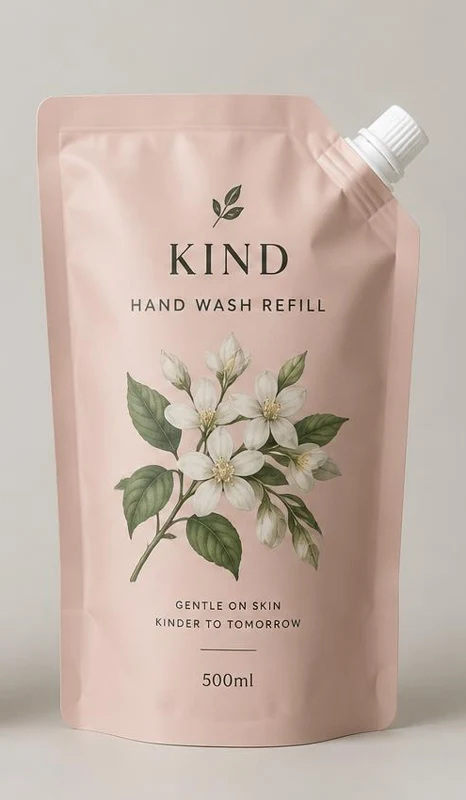
A refill pouch and a primary-use bottle can play complementary roles rather than compete. The bottle may provide a pump or stable dispensing surface; the pouch replenishes it through a screw-cap spout.
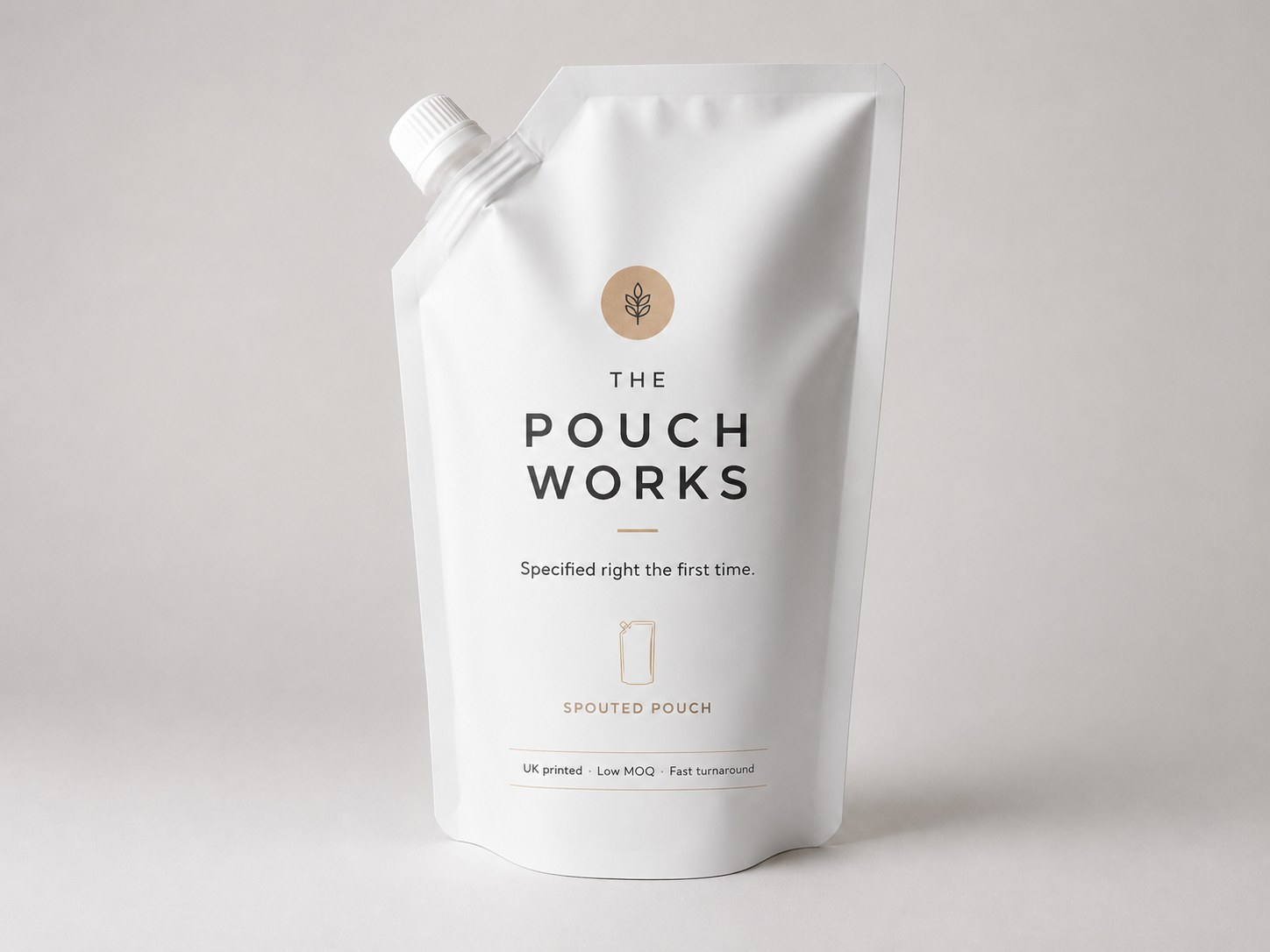
A pouch for direct consumption has different requirements from one poured into another container. Check grip, flow, opening effort and the product remaining in the pack. Explore custom printed spouted pouch options once the use case is clear.
Storage, transport and retail handling
Unfilled flexible pouches can store compactly, whereas many empty rigid bottles occupy their full shape. Filled pouches still need a distribution format that protects caps, seals and print, especially when packed into parcels.
Bottles can offer consistent rigidity and stacking behaviour. Pouches can stand with a suitable gusset, but should be tested for shelf stability and handling at the actual fill volume. Compare pallet utilisation and secondary packaging with real pack layouts rather than make a universal freight-saving claim.
| Factor | Spouted pouch | Plastic bottle |
|---|---|---|
| Before filling | Flexible pack can store compactly | Rigid form often occupies full volume |
| Dispensing | Pouring or squeezing through selected fitment | Cap, pump or specialised dispenser options |
| Shelf handling | Gusset and filled stability need checking | Rigid shape can simplify handling |
| Branding | Printed panels and gusset, subject to seal zones | Label, sleeve or direct print depending on bottle |
| Filling | Line compatibility and delivered configuration matter | Existing bottle line may reduce changeover needs |
Product protection and filling compatibility
Neither format guarantees shelf life. Barrier, compatibility, seals or closure performance, processing and storage determine protection. A high-barrier pouch may suit one recipe and fail another because of viscosity, temperature or chemical compatibility.
If you already fill bottles, check the changes needed for pouches before comparing packaging prices. Holding fixtures, nozzles, cap handling, seal equipment and quality checks may differ. Ask your filler to assess the actual specification.
Branding and practical dispensing
Custom printed pouches give broad front and back panels for artwork, but spouts, seams and gusset folds interrupt printable space. Position instructions and mandatory copy where they remain readable when filled.
A bottle with a pump may be more convenient for frequent single-handed use. A pouch may suit refills or squeeze dispensing but will not replicate every bottle dispenser. Consider spill risk, flow control and how easily the consumer empties the pack.
Recyclability: compare actual collection routes
A mono-material pouch may have a suitable flexible-plastics collection route, while some mixed laminates do not. Cap and fitment compatibility, barrier layers and the accepted local stream matter. A plastic bottle's recyclability likewise depends on polymer, decoration, closure and collection.
Less packaging weight alone does not prove a lower environmental impact. Compare the full life cycle, reuse behaviour, transport and product waste before making carbon or sustainability claims. State a verified disposal instruction instead of calling a pack universally eco-friendly.
Total packaging costs and ordering decisions
Include the pouch or bottle, closure, print or labels, filling changes, secondary packaging, distribution, warehousing and expected losses. Compare equivalent quantities and the same shelf-life requirements. A lower empty-pack price can be offset by extra filling or protection costs.
Our standard eligible printed pouch range starts from 500 units per design. Spouted minimums are specification-dependent, and some mono-material constructions require 5,000 units. Your desired quantity is an enquiry, not a guaranteed production minimum.
Tell us your existing bottle, product, volume and desired order quantity when you request a spouted pouch quotation. We can help check whether a refill or primary-pack pouch is a practical option without promising a specific saving.
Not sure which pouch size you need? Tell us what you are packing and we will check the specification.
Get a Spouted Pouch Quote →Related questions
Custom Printed Spouted Pouches UK
UK production options and specification-led quotation support.
Learn more →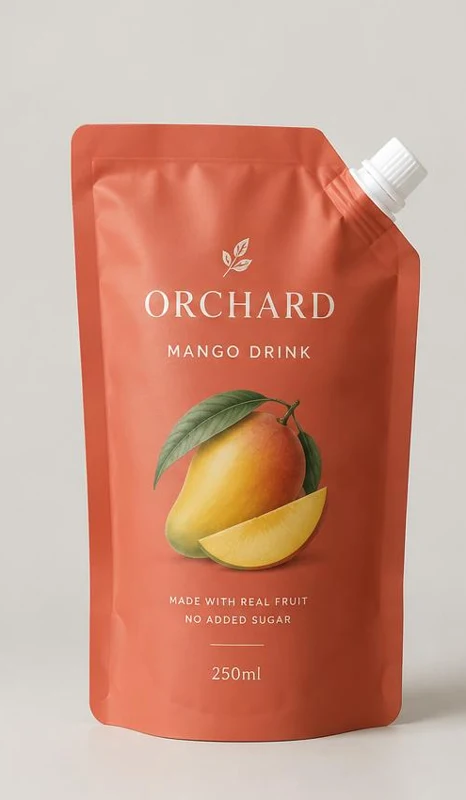
Spouted Pouch Sizes, Caps and Materials
Check the technical specification before changing format.
Learn more →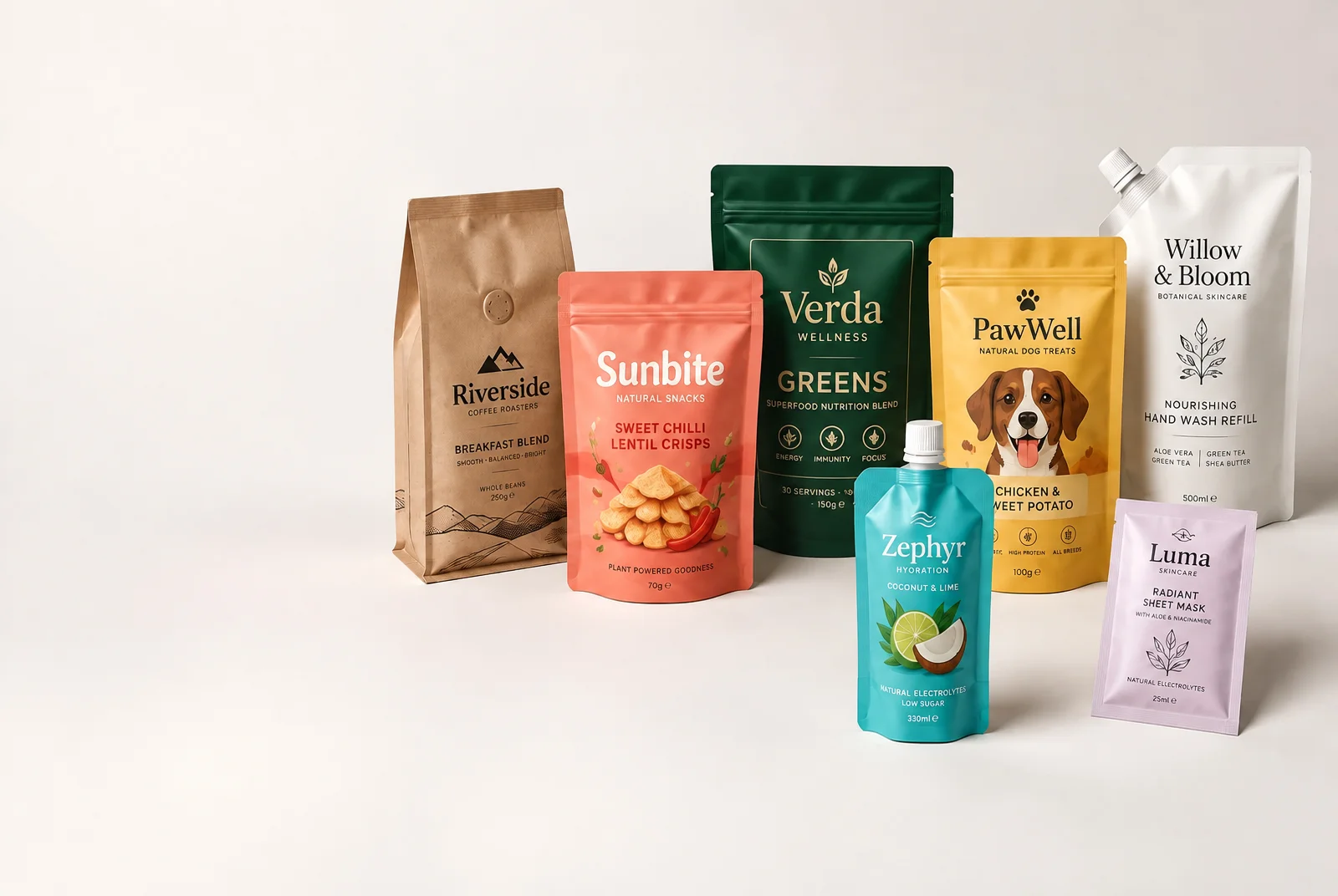
Get a Spouted Pouch Quote
Share your product, volume, filling process and desired quantity.
Learn more →Quick answers
Are spouted pouches suitable for refill packaging?
They can be, if the spout pours into the reusable container and the full construction is compatible with the product. Review cap opening, dispensing, filling process and storage. A refill system also depends on how the consumer reuses the original container.
Are spouted pouches always cheaper than bottles?
No. Compare current whole-system quotes, including fitments, print, filling, secondary packaging and delivery. Quantity and the chosen structure can change the result; there is no universal cost advantage.
Are pouches automatically better for the environment?
No. Packaging weight, recycling access, reuse, product waste and the full life cycle all matter. Avoid a comparative environmental claim unless it is supported by evidence for the actual systems being compared.
Still have questions? Email hello@thepouchworks.com and we'll get back to you within one business day.